
- CAS
- 130120-56-8
- Formula
- C14H23CuN6O4
- MW
- 403.92 g/mol
- Sequence
- Gly-His-Lys (complexed with Cu²⁺)
- Form
- White lyophilized powder
- Storage
- -20°C recommended, protect from light
- Purity
- ≥99.3% HPLC
GHK-Cu
Copper-binding tripeptide (Gly-His-Lys·Cu²⁺). ≥99% purity. Studied for gene-expression modulation and collagen-related signalling in dermal biology research.
For Research Purposes Only • Not For Human Consumption
- Lot-specific COA, QR-verifiable
- Lot number on your order line
- Dispatched from the United States
Packs of 10 vials: $17.40 each after 3 orders (Atelier) · $14.50 each after 6 orders (Laboratory)
Next lot
Be told when the next tested lot of GHK-Cu is released: the certificate link the moment it posts, and a 48-hour early window with 5% off that lot. One message per lot, nothing else.
Overview
GHK-Cu (Copper Tripeptide-1) is a naturally occurring tripeptide-copper complex found in human plasma. First identified in human plasma in 1973 by Dr. Loren Pickart. Research spans over 4,000 human genes.
Published Research
Published literature has examined GHK-Cu across multiple research contexts:
- Interaction with over 4,000 human genes including those associated with collagen synthesis
- Extracellular matrix remodeling and metalloproteinase regulation
- Antioxidant enzyme production pathways (SOD, catalase)
- Dermal tissue research including fibroblast activity and copper ion delivery
| Molecular Formula | C14H23CuN6O4 |
|---|---|
| Molecular Weight | 403.92 g/mol |
| Monoisotopic Mass | 402.11 Da |
| CAS Number | 130120-56-8 |
| Amino Acid Count | 3 |
| Sequence | Gly-His-Lys (complexed with Cu²⁺) |
| Purity | ≥99.3% (HPLC verified) |
| Physical Form | White lyophilized powder |
| Storage | -20°C recommended, protect from light |
| PubChem CID | 9831891 |
| SKU | GHKCU-200MG |
• Dermatological research: Studies have examined GHK-Cu's effects on collagen synthesis, glycosaminoglycan production, and dermal fibroblast proliferation in cell culture models (Pickart et al., 2012).
• Gene expression: Connectivity Map analysis identified GHK as modulating expression of 4,000+ human genes, with emphasis on genes associated with tissue remodeling and antioxidant defense (Campbell et al., 2012).
• Wound biology: Preclinical studies have investigated copper peptide effects on wound contraction and re-epithelialization rates.
• Antioxidant research: Studies have examined GHK-Cu's interaction with superoxide dismutase activity and free radical quenching.
Standard reconstitution: 1 mL bacteriostatic water per vial unless otherwise specified on the Certificate of Analysis. Store reconstituted solution at 2-8°C and use within 30 days. Lyophilized powder stable at -20°C for 24 months when sealed under inert atmosphere.
Every lot ships with a third-party HPLC certificate. View the most recent lot certificate via the COA Portal. Mass spectrometry confirmation available on request.
Only logged in customers who have purchased this product may leave a review.
Free shipping on orders over $49, bacteriostatic water included. Orders placed before 2 PM ET dispatch same business day from Salt Lake City via FedEx 2Day. International shipping via DHL Express. Returns accepted for damaged or short-shipped product within 30 days of delivery.
Reserve next allocation.
Atelier-list researchers receive ten percent on first order plus lot release notifications before public catalog drop.
Request Access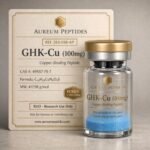
Reviews
There are no reviews yet.